
Discover Jiufen & Taiwan’s Northern Coast with a Private Car – Flexible, Fun & Scenic
Itinerary:
One Day Trip
Taipei
8hours/10hours
mandarin,english,Japaness,cantonese
Pick-up and drop-off service
2089 visits
Looking for a convenient and flexible way to explore Jiufen, Yehliu, and Shifen Waterfall in one day? Our private car day tour from Taipei takes you to Taiwan’s most iconic northern destinations in comfort. Ride in a clean, spacious vehicle with a professional driver, enjoy a scenic route along the coast or mountains, and don’t miss the chance to launch a sky lantern in Shifen. Whether you're traveling solo, as a couple, or with family, this is the most efficient and relaxing way to enjoy Jiufen.
Latest Review
-
{{latestReview.screenname.slice(0, 1)}}{{latestReview.screenname.slice(0, 1)}}*
{{ latestReviewContent.content | limitTo: 52 }} ...
{{ latestReviewContent.content_tran | limitTo: 52 }} ...
{{ latestReviewContent.original ? 'Translate Review To English' : 'Translated, view original language' }}
Itinerary Intro
jiufen-car-tour
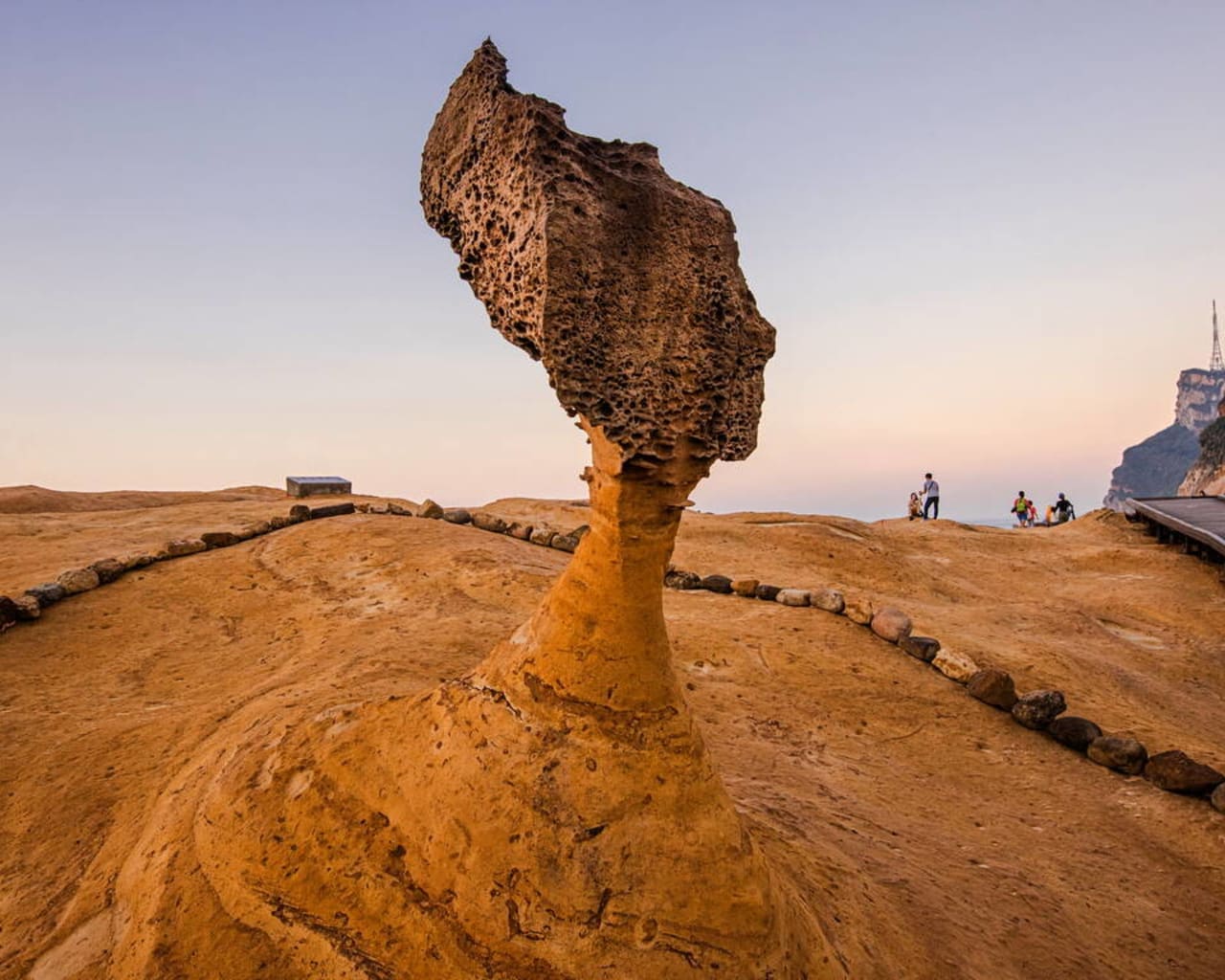
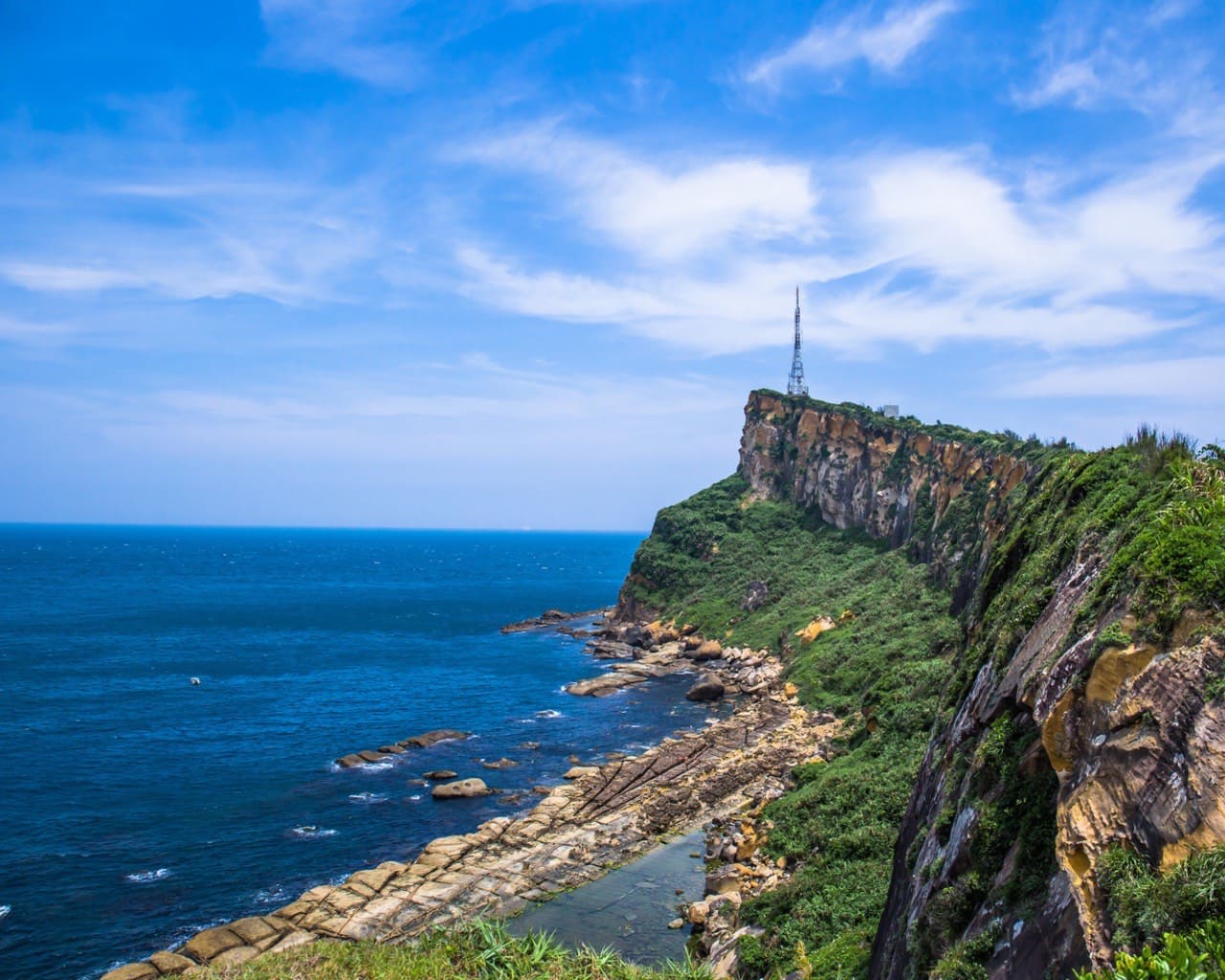
Yehliu Geopark: Known for its spectacular rock formations, Yehliu Geopark sits on a cape formed by the extension of the Datun Mountain Range into the sea. Natural forces such as weathering, sea erosion, and tectonic activity have created a variety of unique features, including mushroom rocks, sea caves, tofu rocks, candle-shaped formations, and potholes. Yehliu is a world-renowned scenic destination, with the iconic “Queen’s Head” rock standing as its most famous and most photographed landmark.
A natural geological classroom
The Yehliu coastal cape is divided into three main sections. The first area features a variety of uniquely shaped mushroom rocks and candle-shaped stones. Here, visitors can observe the formation process of mushroom rocks—lined up in rows and varying in size, they create an irresistibly charming and soothing scene. Yehliu’s most famous photo spots, such as the Queen’s Head, Dragon’s Head Rock, and Diamond Rock, are found in the second area. Near the shoreline in this section, you’ll also find interesting formations like the Fairy’s Shoe and Peanut Rock—don’t forget to look for them while you’re there. The third area is a marine erosion platform, home to rock features like the Filial Piety Stones and Pearl Stone. This section also serves as an important ecological conservation zone within Yehliu Geopark. When visiting Yehliu, be sure to seek out these natural wonders.
The Queen’s Head and the Playful Princess
In 1962, the photo exhibition “The Forgotten Paradise” gave a name to a uniquely shaped mushroom rock in Yehliu—“The Queen’s Head.” With its elegant curves resembling a queen gazing into the distance, the formation caused a sensation, transforming Yehliu from a small fishing village into a major tourist destination on Taiwan’s North Coast. The Queen’s Head soon became the icon of Yehliu. Located in the first section of the cape, the “Playful Princess” features a ponytail-like shape. In recent years, its rising popularity has earned it the nickname “the successor to the Queen’s Head.
Shifen Waterfall:
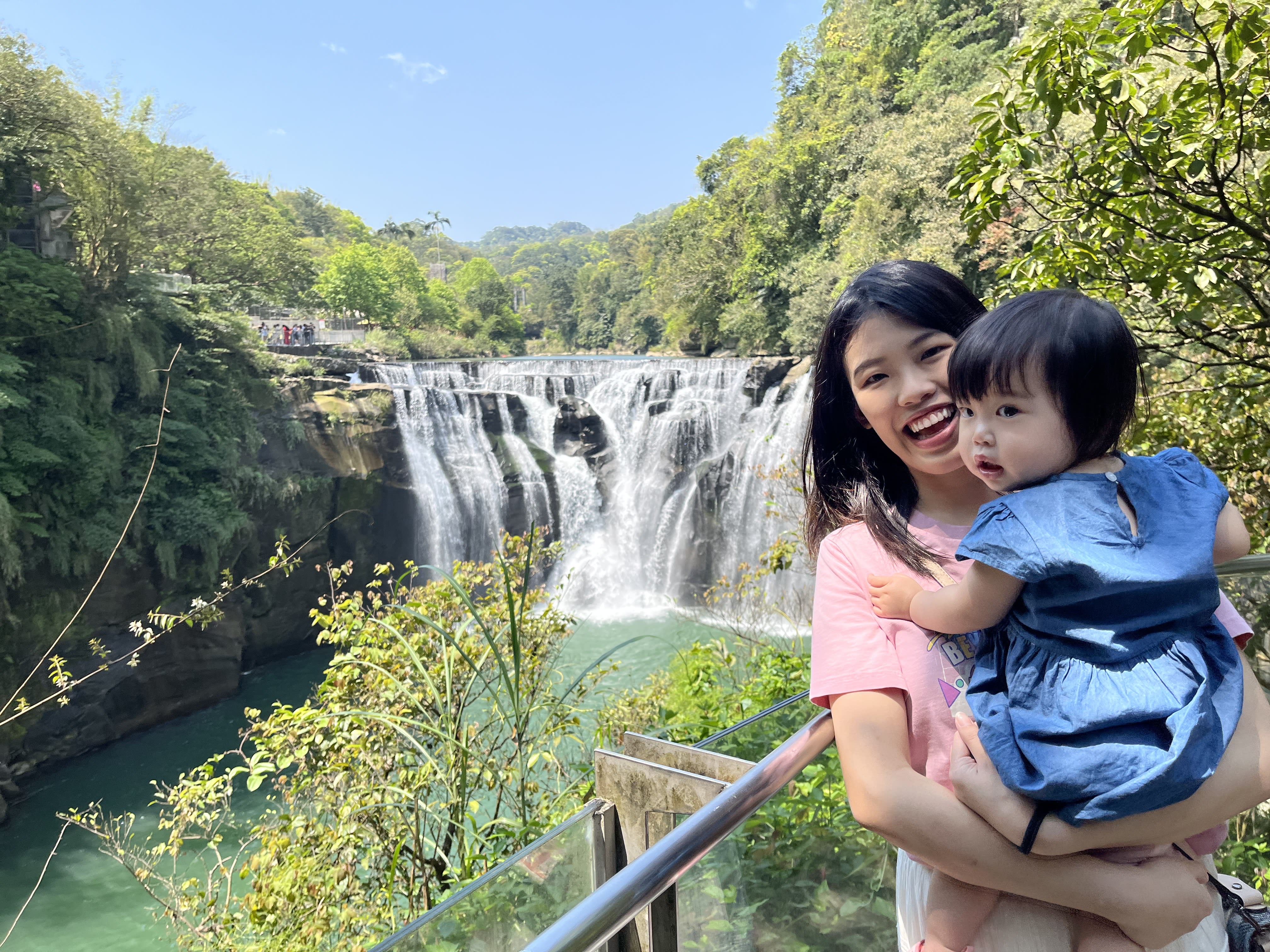
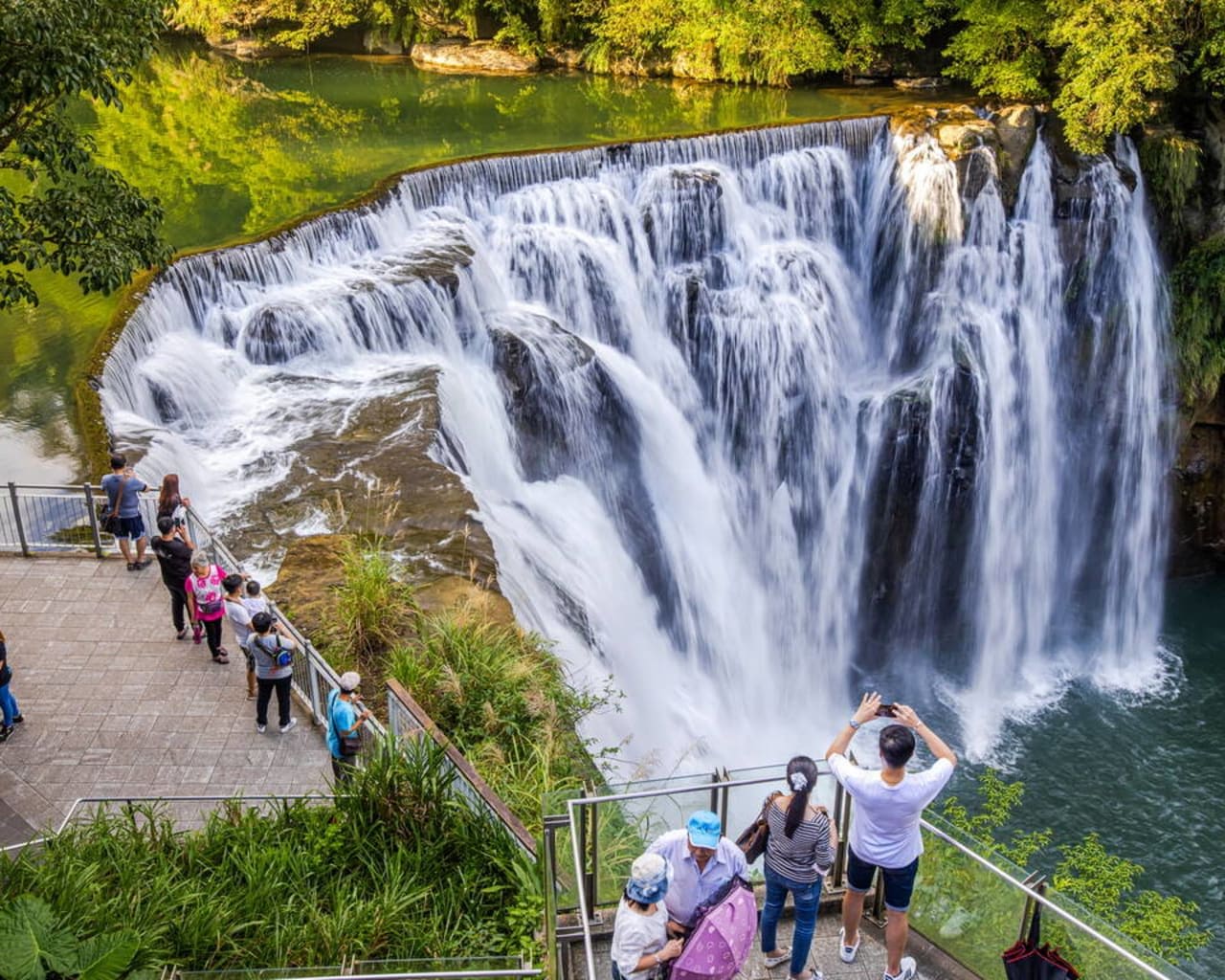
Located in Pingxi District, New Taipei City, between Dahua and Shifen stations along the Pingxi Railway Line, Shifen Waterfall is a classic curtain-type waterfall. The plunge pool beneath the falls is remarkably deep, and the cascading water rushes down like a thousand galloping horses or a sweeping white silk ribbon, tumbling into a vast and deep basin. The mist created by the falls often lingers above the water and, when hit by sunlight, produces a brilliant rainbow across the spray—earning the waterfall the nickname “Rainbow Pool.” Due to its geological structure, where the rock layers tilt in the opposite direction of the water flow, Shifen Waterfall is classified as a reverse-tilt waterfall, a rare formation similar to North America’s Niagara Falls. This striking resemblance has led to its fame as “Taiwan’s Niagara Falls.
Shifen Sky Lanterns:
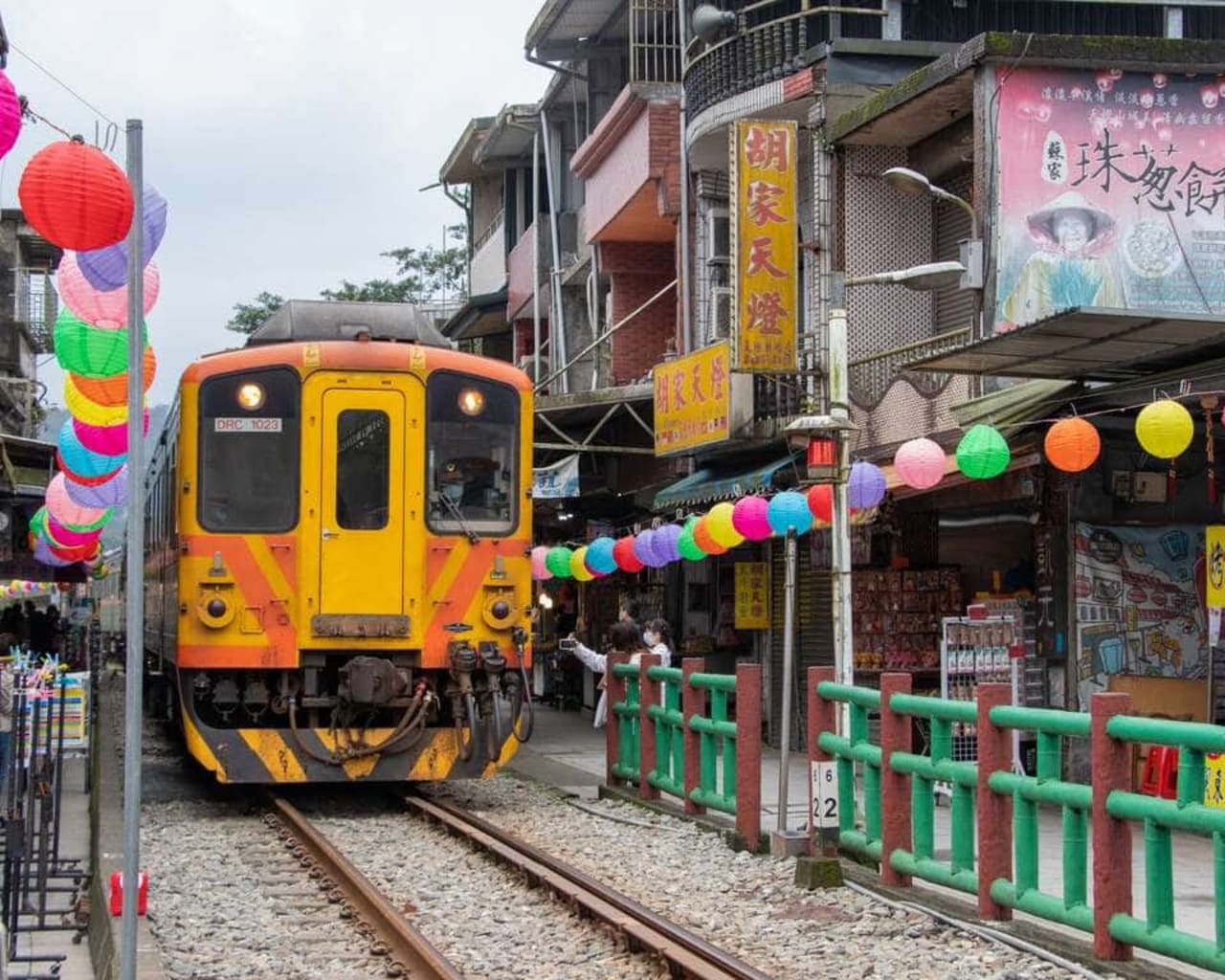
Although coal mining has ceased, the old street remains bustling with food stalls and sky lantern craft shops, making it a must-visit destination for international travelers in Taiwan. Shops offer souvenirs and postcards featuring the theme of “Shifen Happiness.” Visitors can choose sky lanterns in various colors and write their wishes on them using traditional calligraphy brushes. During the lantern release, shop staff guide you on how to pose and help take photos or videos. Watching the sky fill with glowing lanterns of blessing is a memorable experience that captures the charming spirit of this mountain town.
Jiufen Old Street:
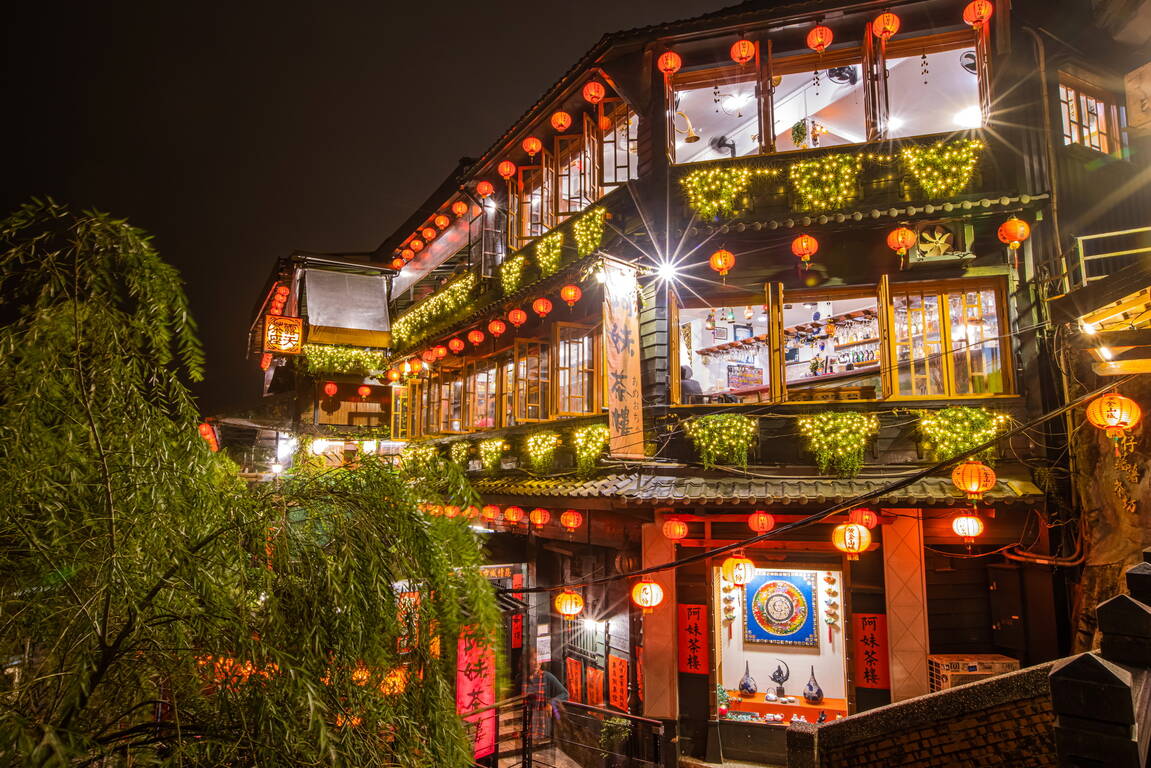
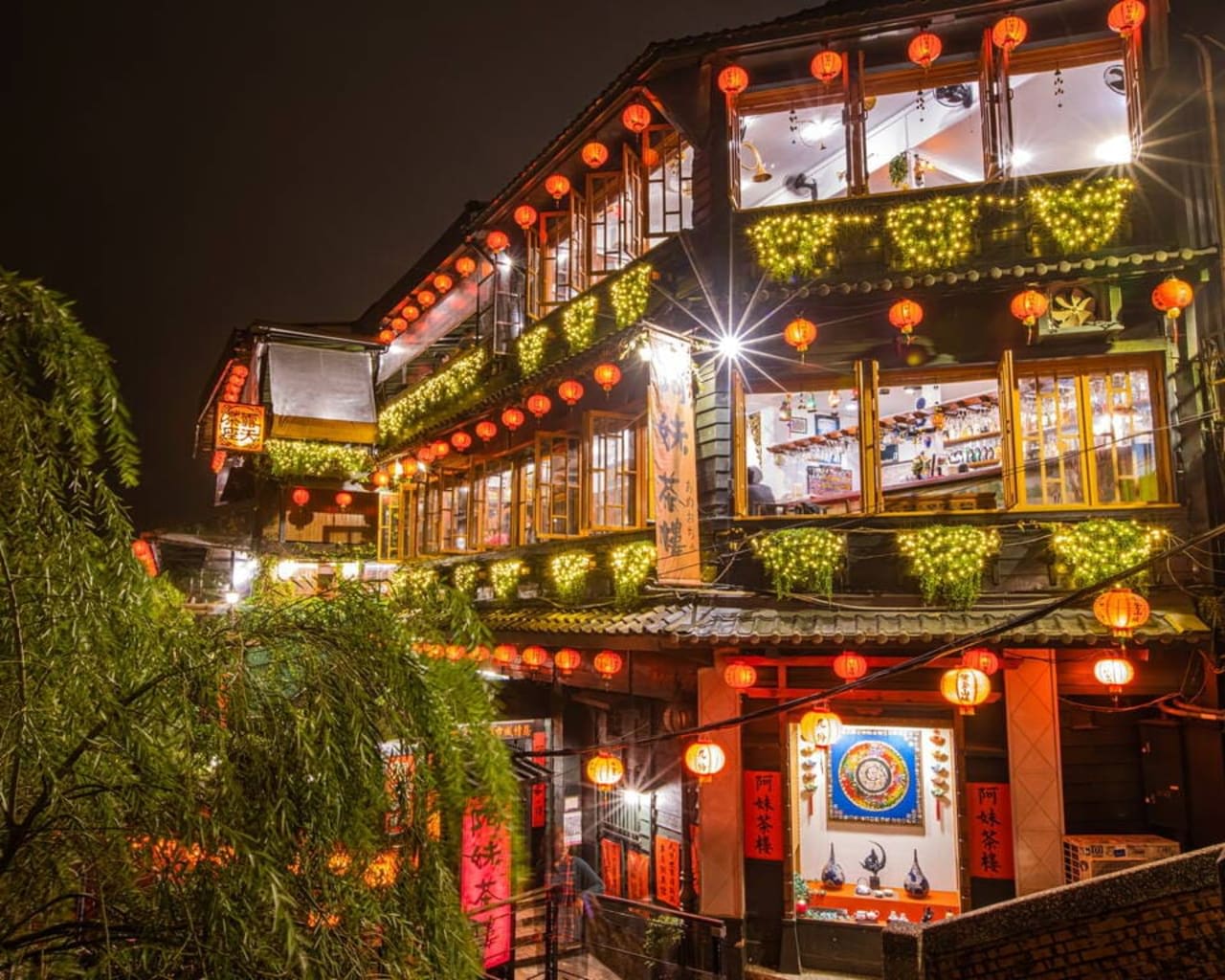
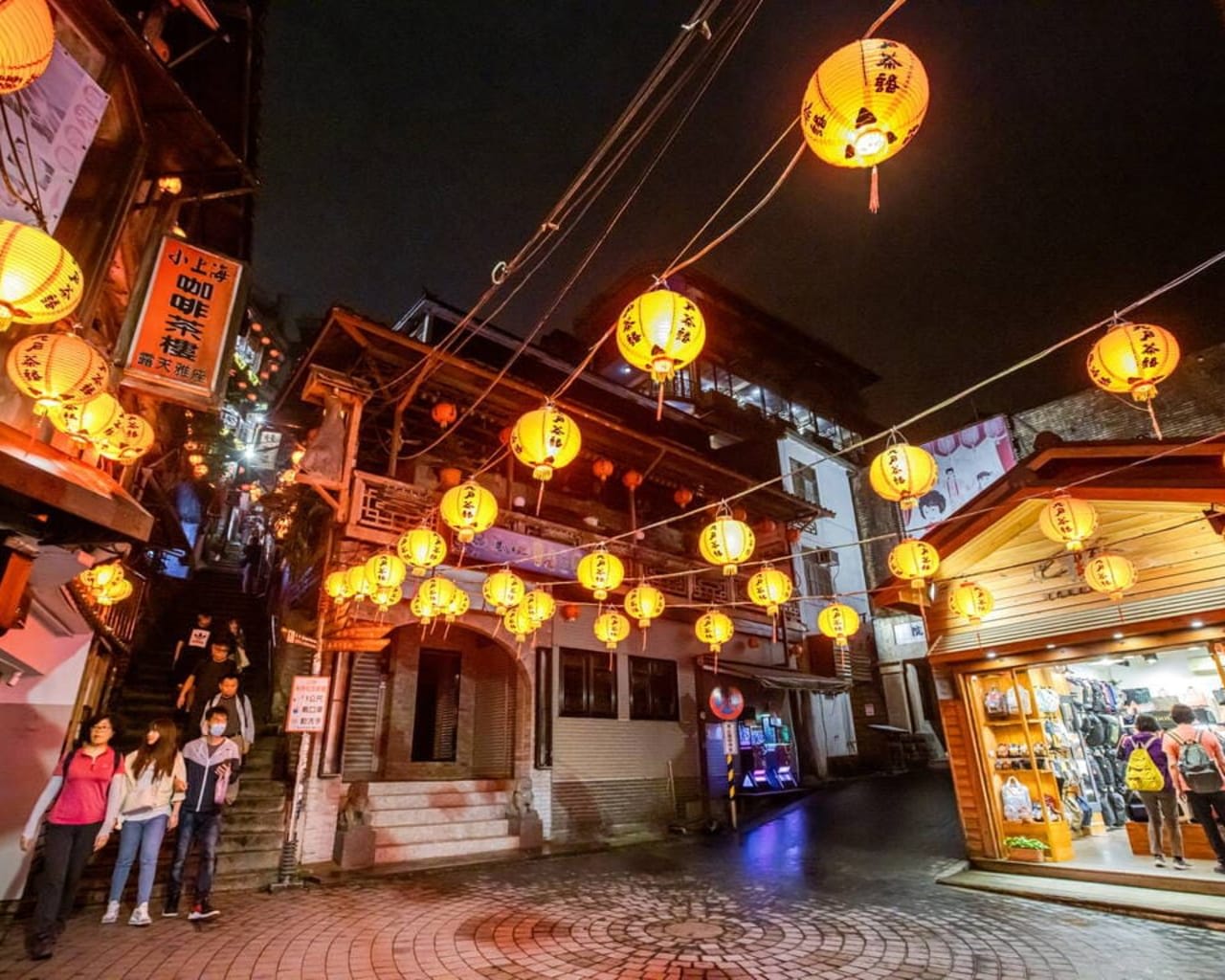
Stretching uphill along the mountainside, Jiufen Old Street is a narrow alleyway packed with a wide variety of shops. The enticing aroma of traditional street foods fills the air—must-try local treats include taro balls, meatballs, and grass rice cakes. You’ll also find charming antiques and uniquely Taiwanese souvenirs, offering endless shopping delights. Wander through the winding alleyways and hidden corners of Jiufen to explore the town’s charm from every angle.
Reviews

-
{{item.screenname.slice(0, 1)}}{{item.screenname.slice(0, 1)}}*Review: {{item.title}}
{{ x.content }}
{{ x.content_tran }}
{{ x.original ? 'Translate Review To English' : 'Translated, view original language' }}
FAQs
Give away Gpoint X 1000
After the tour group is successful, send NT1000 gifts.
Login Member
Click me to the fan page
 Facebook

 Contact Us
 @gleefultour
 gleefultour